

Your agency is trapped in the manual posting cycle: brilliant content, disappointing reach, and your team working evenings to keep 20+ clients satisfied. Sound familiar? You’re certainly not alone. Most agencies treat organic reach optimisation as unpredictable alchemy, resulting in inconsistent outcomes and unsustainable workloads as they attempt to scale.
Here’s the uncomfortable reality: whilst your competitors continue playing posting roulette, agencies that consistently deliver results have mastered something fundamental. They’ve transformed organic reach optimisation into a systematic, agency-scalable process that delivers predictable results without exhausting their teams.
The difference isn’t talent or luck—it’s methodology. Successful agencies don’t guess their way to better reach; they build repeatable systems that function across their entire client portfolio. They understand that social media reach without ads isn’t about producing more content—it’s about creating intelligent systems.
This guide reveals the specific frameworks that successful UK agencies use to triple organic reach across their client base. We’ll examine the systematic problems preventing most agencies from scaling, the step-by-step framework for building repeatable reach optimisation, and advanced tactics that work across multiple client accounts simultaneously. By the conclusion, you’ll have a clear roadmap to scale from 20 to 40+ clients without hiring additional staff or compromising quality.
Why Most Agencies Fail at Organic Reach (And How to Fix It)
The harsh reality facing most social media agencies? They excel at creating content but struggle with systematic organic reach optimisation. You’ve witnessed this pattern: an agency secures a new client, produces exceptional content, posts consistently for months, then watches engagement plateau. The client becomes restless, questions the retainer value, and the agency scrambles to explain why their “proven strategy” isn’t delivering results.
This cycle destroys agencies from within. Teams burn out attempting to manually optimise reach for each client, founders lose sleep wondering why some accounts flourish whilst others stagnate, and the business plateaus because scaling means increased chaos, not enhanced profit.
The Manual Posting Trap
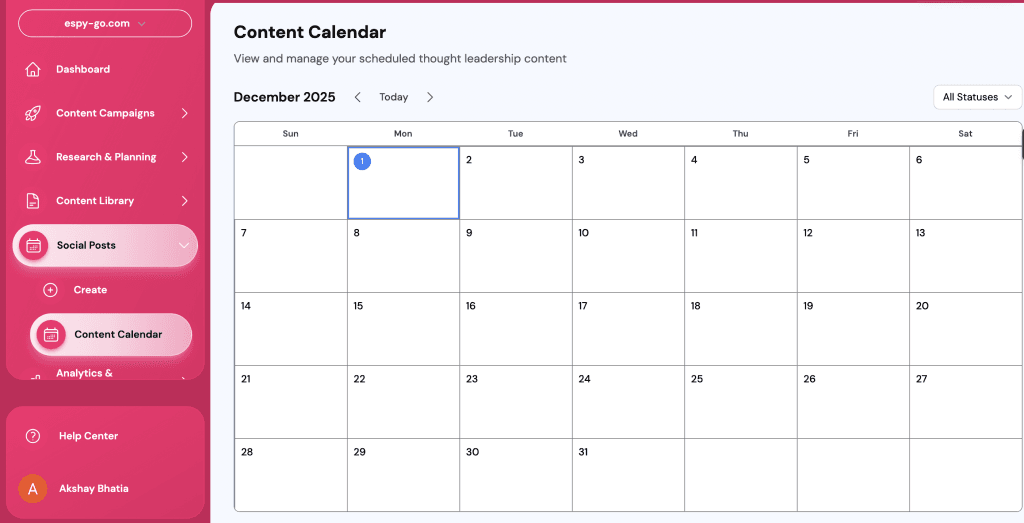
The primary systematic failure plaguing agencies is treating each client as a unique entity requiring bespoke posting strategies. You recognise the pattern: Monday morning arrives, and your team manually crafts posts for Client A at 9 AM, Client B at 11 AM, and Client C whenever someone remembers. This approach doesn’t merely waste time—it actively undermines reach.
Platform algorithms reward consistency over perfection. When your posting schedule varies dramatically across clients, you’re essentially teaching each platform that your content is unreliable. Instagram’s algorithm, for instance, prioritises accounts that post consistently within their optimal windows. If you’re manually posting whenever your team finds time, you’re missing these crucial engagement periods.
The solution isn’t increased manual effort—it’s systematic content distribution tips that function across your entire roster. Successful agencies identify optimal posting windows for each client industry, then batch their content creation and scheduling to hit these windows consistently. This systematic approach enables junior team members to execute posting strategies without senior oversight, freeing your experienced staff for strategy and client growth.
Client Voice Inconsistency Destroys Reach
The second systematic problem is voice inconsistency across content. Most agencies create voice guidelines during onboarding, then hope their team remembers them whilst managing 20+ client personalities. The result? Content that sounds increasingly generic as workload increases, leading to plummeting engagement rates.
Here’s what most agencies overlook: platform algorithms increasingly reward authentic engagement patterns. When your content begins sounding like every other business in the client’s sector, the algorithm notices. Engagement drops, reach plummets, and suddenly you’re explaining why last month’s content performed better than this month’s—despite being “equally good.”
The systematic solution involves building voice capture systems that extend beyond basic brand guidelines. Rather than hoping team members remember that “Client X never uses industry jargon” or “Client Y always includes personal anecdotes,” successful agencies create voice libraries with specific examples, alternative phrasings, and engagement patterns that consistently generate reach.
The Agency Organic Reach System Framework
Transform your agency’s approach to organic reach optimisation with this three-step systematic framework. Unlike ad-hoc strategies that work for individual clients, this system scales across your entire roster whilst improving results for each account.
Step 1: Build Platform-Native Content Libraries
The foundation of scalable organic reach lies in creating content libraries that work with each platform’s algorithm rather than against it. Most agencies create content and then attempt to make it fit different platforms—a backwards approach that limits reach from the start.
Begin by developing format templates that align with each platform’s native content preferences. For LinkedIn, this means conversation-starting posts that encourage comments within the first hour. Your template might include a compelling opening question, three supporting points, and a clear call for audience input. For Instagram, focus on visual storytelling formats that encourage saves and shares—the engagement signals that boost reach most significantly.
The key is creating these templates as content distribution tips frameworks rather than rigid scripts. For example, a “founder story” template might include: opening hook (lesson learned), context setting (what was happening), challenge description (specific obstacles), resolution (how they overcame it), and audience question (asking for similar experiences). This framework works for tech clients sharing startup struggles, consultants describing client breakthroughs, or retail brands explaining product development challenges.
Develop content pillars that consistently generate engagement across client verticals. Industry insights, behind-the-scenes content, customer success stories, and contrarian viewpoints typically perform well across sectors when executed systematically. The difference is building these into repeatable campaign frameworks rather than one-off pieces.
Build reusable campaign frameworks that can be customised quickly for different clients. A “week in the life” campaign template might include: Monday motivation post, Wednesday industry insight, Friday team highlight. Each template includes optimal posting times, engagement strategies, and cross-platform adaptation guidelines that junior team members can execute consistently.
Step 2: Implement Strategic Distribution Timing
Social media reach without ads depends heavily on timing optimisation—but most agencies approach this reactively rather than systematically. Instead of manually tracking when each client’s audience is online, build distribution workflows that consistently hit optimal engagement windows.
Use platform analytics to identify optimal posting windows per client industry rather than per individual client. B2B service providers typically see peak LinkedIn engagement Tuesday through Thursday, 8-10 AM and 5-7 PM GMT. Tech companies often perform better with early morning posts (7-9 AM) that catch decision-makers checking feeds before meetings. E-commerce brands frequently achieve better Instagram reach posting during lunch hours (12-2 PM) and early evenings (6-8 PM) when their audience browses leisurely.
Create content batching workflows that prepare multiple clients’ content simultaneously. Schedule “content creation blocks” where your team produces posts for similar client types together. This approach ensures consistent quality whilst reducing the mental switching costs between different client voices and industries.
Leverage cross-platform syndication strategically rather than simply duplicating content. A LinkedIn thought leadership post might become an Instagram story series, a Twitter thread, and a newsletter section. The key is adapting the core insight to each platform’s optimal format whilst maintaining the client’s authentic voice across channels.
Implement systematic timing reviews monthly rather than hoping your initial schedule remains optimal. Platform algorithms evolve, audience behaviours shift, and optimal posting times change seasonally. Build these reviews into your client processes so timing optimisation happens automatically rather than when performance drops.
Step 3: Scale Engagement Strategy Across Accounts
The final component of systematic organic reach optimisation involves scaling authentic engagement across your client roster. Most agencies either ignore engagement strategy entirely or handle it reactively—both approaches limit reach significantly.
Develop systematic comment and response strategies that feel authentic whilst being efficient to execute. Create response templates for common comment types: appreciation (“Thanks for sharing this insight!”), questions (“Excellent question—in our experience…”), disagreement (“Interesting perspective—we’ve found…”), and conversation extensions (“This reminds me of…”). These templates provide structure whilst maintaining each client’s voice.
Create engagement pods strategically rather than artificially. Identify clients whose audiences overlap naturally—B2B service providers, tech founders, marketing consultants—and coordinate commenting strategies where their genuine engagement on each other’s content improves content visibility for all parties. This approach builds authentic relationships whilst boosting reach systematically.
Build relationship mapping for strategic content partnerships that extend reach organically. Document key industry voices, potential collaboration partners, and influential community members for each client sector. When these individuals post relevant content, systematic engagement from your clients builds relationships that often result in reciprocal sharing and mention opportunities.
Advanced Organic Reach Tactics for Agency Scale
Once your foundational systems are operational, these advanced tactics will boost organic engagement across your client roster whilst maintaining systematic efficiency.
Content Repurposing Systems for Maximum Visibility
The most effective agencies don’t create more content—they extract maximum reach from existing content through systematic repurposing. A single client interview can generate months of platform-specific content when approached systematically.
Transform single interviews into multi-platform content series using structured frameworks. Start with the raw interview transcript and identify three to five core insights. Each insight becomes a LinkedIn post highlighting the business lesson, an Instagram carousel breaking down the actionable steps, a Twitter thread sharing the contrarian viewpoint, and a blog post exploring the topic comprehensively. This systematic approach means one hour of client interview time generates weeks of optimised content.
Create evergreen content that continues generating reach months after publication. Industry guides, resource lists, and framework explanations often gain momentum over time as they’re discovered through search and shared repeatedly. Build these into client content calendars systematically rather than hoping they emerge organically.
Build cross-client content collaboration opportunities where appropriate. When multiple clients share expertise in complementary areas, coordinate collaborative content that expands reach for all parties. A marketing consultant and a sales expert might co-create content about full-funnel strategy, sharing audiences naturally whilst providing value neither could deliver alone.
Algorithm-Friendly Content Planning
Successful organic reach optimisation requires understanding how platform algorithms evaluate and promote content. Design your content planning systems to work with these signals rather than hoping for algorithmic favour.
Design content series that encourage binge engagement across multiple posts. Multi-part case studies, weekly industry insights, and educational series naturally encourage audiences to engage with multiple posts, sending strong engagement signals that boost reach. Plan these series systematically across clients rather than creating them ad-hoc.
Use storytelling frameworks that platforms actively promote. Transformation stories (before/after), challenge/solution narratives, and behind-the-scenes content consistently perform well because they encourage emotional engagement and sharing. Build these frameworks into your content templates so every client benefits from algorithm-friendly storytelling.
Leverage trending topics systematically across client accounts whilst maintaining authenticity. Monitor industry news, platform feature launches, and seasonal events that create engagement opportunities. Develop templates for responding to trends quickly whilst maintaining each client’s unique perspective and voice.
Track content performance systematically to identify patterns that improve content visibility consistently. Monitor which post formats, topics, and publishing times generate strongest reach for each client industry. Build these insights into your content planning systems so successful approaches are replicated systematically rather than accidentally.
Cross-Platform Amplification Strategies
Maximise content reach by developing systematic approaches to cross-platform promotion that feel natural rather than spammy. Each platform has unique characteristics, but strategic cross-promotion can significantly expand your clients’ organic reach.
Develop platform-specific adaptation strategies for core content pieces. A detailed LinkedIn article might become an Instagram carousel highlighting key points, a series of Twitter threads exploring different angles, and YouTube shorts featuring quick tips. The key is adapting the format and tone for each platform whilst maintaining the core message and client voice.
Create systematic sharing sequences that maximise engagement windows across platforms. When your client publishes a significant piece on LinkedIn, follow up with Instagram stories sharing behind-the-scenes insights, tweet key quotes with relevant hashtags, and create follow-up posts that reference and expand on the original content. This systematic approach ensures maximum visibility without appearing repetitive.
Build community-driven amplification by identifying and nurturing relationships with industry peers who regularly share valuable content. When your clients consistently engage with and share others’ content, reciprocal sharing often follows naturally, expanding reach without paid promotion.
Measuring and Optimising Your Organic Reach System
Systematic organic reach optimisation requires consistent measurement and refinement. Most agencies track vanity metrics without understanding which factors actually drive sustained reach improvement.
Key Performance Indicators That Matter
Focus on metrics that directly correlate with algorithm preference and sustained reach growth. Engagement rate trends over time matter more than individual post performance. Track how quickly posts gain initial engagement, as this signals algorithm favour more than total engagement numbers.
Monitor reach-to-follower ratios systematically across clients to identify when content resonates beyond existing audiences. When this ratio consistently exceeds 150%, your content strategy is working effectively. Below 50% indicates systematic problems requiring investigation.
Track comment quality and conversation depth rather than just comment volume. Algorithm updates increasingly favour meaningful conversations over quick reactions. Posts generating multi-exchange conversations typically achieve better long-term reach than those with many single-word comments.
Measure content lifecycle performance to understand which formats and topics generate sustained engagement. Content that continues attracting engagement weeks after publication indicates evergreen value that benefits long-term reach building.
Systematic Optimisation Protocols
Build monthly review cycles that examine performance patterns across your client roster rather than individual account analysis. This approach reveals systematic strengths and weaknesses in your content strategy that can be addressed efficiently.
Create feedback loops between content performance and creation processes. When certain post formats consistently outperform others, build these insights into your content templates immediately rather than hoping to remember them for future campaigns.
Implement quarterly strategy reviews that examine broader trends affecting organic reach across platforms. Algorithm updates, changing user behaviours, and industry shifts require systematic strategy adjustments that individual client reviews might miss.
The EspyGo Advantage: Build Scalable Reach Systems That Don’t Break as You Grow
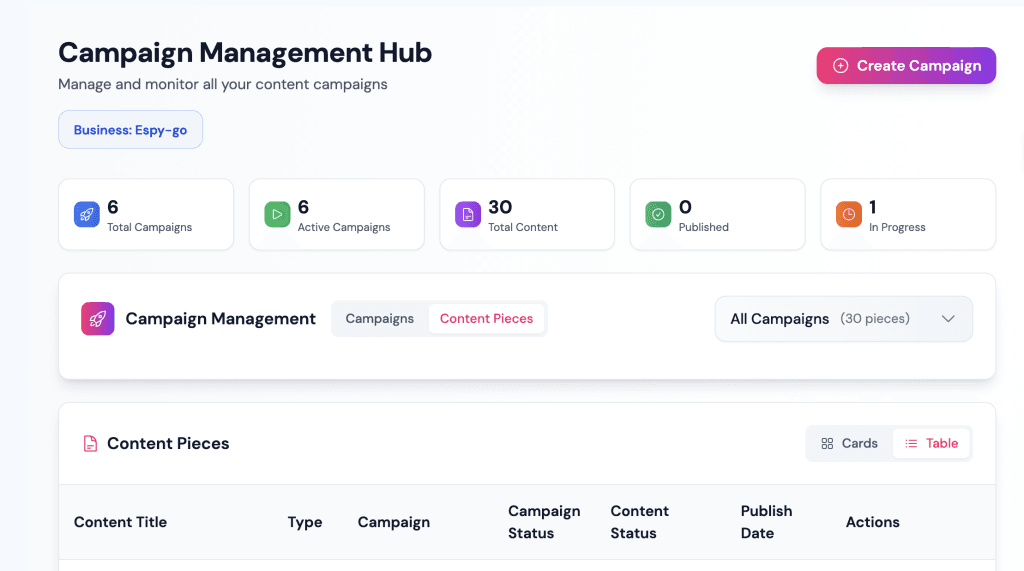
Most agencies struggle to scale organic reach because they rely on intuition and inconsistent manual processes. EspyGo gives you the operational clarity needed to build systems that work across every client—not just the ones that happen to perform well.
With EspyGo, you can:
Audience Signal Insights: See how AI models (ChatGPT, Claude, Perplexity) interpret each client’s brand voice, positioning, and industry identity—helping you refine messaging so algorithms recognise and surface their content more consistently.
Content Pattern Detection: Identify which content formats, hooks, and engagement triggers perform best across your client portfolio. Instead of guessing what will boost reach, you get data-backed patterns you can apply across dozens of accounts.
Channel Visibility Tracking: Understand where your clients are appearing across AI search engines and which topics or posts are strengthening their discoverability—so your organic reach strategy compounds instead of resets every month.
Operational Consistency: Replace ad-hoc posting with repeatable systems. EspyGo shows you what’s working across high-performing accounts so you can replicate those patterns across your entire roster and scale without hiring more staff.
Conclusion
Transforming organic reach optimisation from unpredictable art into reliable science enables agencies to scale confidently whilst delivering consistent client results. The framework outlined here—platform-native content libraries, strategic distribution timing, and scalable engagement strategies—provides the systematic foundation for sustainable agency growth.
The most successful agencies understand that systematic approaches consistently outperform individual brilliance when scaling professional services. Your team gains confidence from systematic success, your clients see predictable improvements in organic performance, and your agency builds the operational foundation for sustainable growth.
Implementation begins with a single client: establish the distribution timing system, measure results rigorously, then expand across your portfolio. Once you demonstrate the system’s effectiveness, your team will adopt it naturally, and scaling becomes process refinement rather than heroic effort.
The agencies that dominate the coming years won’t be those with the most talented individuals—they’ll be those with the most effective systems for delivering consistent results at scale. Your systematic approach to organic reach optimisation becomes your agency’s competitive advantage, enabling profitable growth without the typical scaling challenges that destroy service quality.
Start building your systematic advantage today. Your future clients—and your current team—will thank you for it.
💡 Concerned about your content’s reach?
👉 Get your SEO score using EspyGo.