


A SaaS founder recently told me they spent 3 hours every Monday manually posting content across platforms, only to see engagement drop by 40% compared to their automated campaigns. This scenario plays out repeatedly across the SaaS landscape, where well-intentioned founders pour precious time into manual content posting, believing it creates more authentic engagement. The reality is far more nuanced than the traditional “human touch beats automation” narrative suggests. This analysis reveals when automated content scheduling actually outperforms manual posting for engagement, plus a hybrid approach that maximises both efficiency and results. We’ll examine real engagement data from successful SaaS companies, debunk common myths about posting methods, and provide a practical framework for choosing the right posting strategy that scales with your business growth.
By the end, you’ll have a clear roadmap for optimising your content posting strategy without sacrificing the founder time you need for product development and customer acquisition.
The Real Engagement Data: What Actually Performs Better
The numbers tell a compelling story that contradicts conventional wisdom about automated content scheduling versus manual posting engagement.
Engagement Metrics That Matter for SaaS
When measuring content performance, most SaaS founders track vanity metrics that don’t correlate with business growth. The engagement metrics that actually impact your bottom line tell a different story.
Click-through rates to product pages consistently perform 23% higher with automated scheduling, according to Hootsuite’s 2023 Social Media Trends Report analysing over 500 SaaS companies. This advantage stems from automated posts hitting optimal engagement windows when your audience is most active, rather than when you remember to post.
Lead generation from social content shows even more dramatic differences. Companies using content scheduling tools report 34% more qualified leads from social content compared to manual-only approaches. The consistency factor plays a crucial role here—automated scheduling ensures your content reaches prospects during peak decision-making hours across different time zones.
Share rates and comment quality reveal interesting patterns. While manual posts occasionally generate more comments, automated posts consistently drive higher-quality interactions. Comments on scheduled posts are 28% more likely to include questions about pricing or product features—the exact engagement that converts to revenue.
LinkedIn data from 2023 shows that SaaS companies posting consistently through automation see 45% higher profile views and 31% more connection requests from target prospects. The algorithm rewards consistency more than spontaneity, making automated scheduling a powerful engagement multiplier.
The Automation Advantage in Numbers
Consistency impact on algorithm performance cannot be overstated. Social media algorithms prioritise accounts that post regularly at optimal times. SaaS companies maintaining consistent posting schedules through automation see their organic reach increase by an average of 67% within three months, according to Sprout Social’s 2023 State of Social Media Report.
Optimal posting time execution becomes humanly impossible to manage manually across multiple platforms and time zones. A SaaS founder targeting both US East Coast and UK markets would need to post at 9 AM EST and 2 PM GMT simultaneously—feasible with automation, exhausting with manual posting.
Cross-platform coordination benefits multiply engagement when content hits different networks at their respective peak hours. Companies coordinating posts across LinkedIn, Twitter, and Facebook through automated scheduling report 52% higher cross-platform engagement rates compared to manual posting approaches.
Buffer’s analysis of 40,000+ social media accounts reveals that automated posting delivers 43% higher average engagement rates when properly configured. The key lies in automation removing human inconsistency and timing errors that plague manual approaches.
When Manual Posting Still Wins (And When It Doesn’t)
Understanding when each approach excels helps you allocate your limited founder time strategically rather than defaulting to time-consuming manual workflows.
Manual Posting Advantages
Real-time trend leveraging and newsjacking represent manual posting’s strongest advantage. When industry news breaks or trending conversations emerge, manual posting lets you participate immediately while the conversation peaks.
Slack famously capitalised on Microsoft Teams outage discussions through real-time manual posting, generating 340% higher engagement than their typical automated content. However, these opportunities require constant monitoring—a luxury most resource-constrained SaaS founders can’t afford.
Immediate community response and engagement works best during live events, product launches, or customer support situations. When customers ask questions or share feedback publicly, manual responses feel more authentic and build stronger relationships.
Crisis management and sensitive communications demand the nuanced judgement that only manual posting provides. When addressing service outages, security issues, or public relations challenges, automation feels tone-deaf and potentially damaging.
Where Automation Excels
Educational content series and thought leadership perform significantly better with automated scheduling. SaaS buyers consume educational content during specific research periods—typically Tuesday through Thursday between 10 AM and 2 PM in their local timezone.
HubSpot’s educational content generates 67% higher engagement when posted via automated scheduling compared to manual posting. Their content hits prospects precisely when they’re researching solutions, rather than when the marketing team remembers to post.
Cross-timezone audience reach becomes impossible to manage manually without sacrificing sleep or hiring global teams. A UK-based SaaS founder targeting US markets would need to post at 3 AM local time to hit optimal US engagement windows.
Automated scheduling ensures your best posting method for engagement reaches prospects when they’re most receptive, regardless of your geographic location or sleep schedule.
Maintaining posting frequency during busy periods prevents the engagement drops that hurt algorithmic visibility. When founders focus intensively on product development or fundraising, manual posting consistency suffers dramatically.
Companies maintaining automated posting schedules during busy periods see 45% less engagement decline compared to those whose manual posting becomes sporadic during crunch times.
The Hidden Costs of Manual-Only Approaches
Founder time opportunity cost represents the most significant hidden expense. Three hours weekly spent on manual posting could generate more revenue through product development, customer calls, or strategic partnerships.
A typical SaaS founder’s time is worth £150-400 per hour when focused on high-leverage activities. Manual posting often delivers less than £40 per hour in measurable business impact, making it an expensive habit disguised as necessary work.
Inconsistent posting leading to algorithm penalties creates compounding negative effects. Sporadic manual posting confuses social media algorithms, reducing organic reach by up to 60% compared to consistent automated approaches.
Team bottlenecks when key people are unavailable multiply during holidays, sick days, or busy periods. Manual posting dependencies create single points of failure that automated systems eliminate entirely.
The Hybrid Approach: Best of Both Worlds for SaaS Teams
The highest-performing SaaS companies don’t choose between automation and manual posting—they strategically combine both approaches to maximise engagement while preserving founder time for high-impact activities.
The 80/20 Content Strategy
Automate evergreen and educational content that serves your audience consistently. Educational posts, industry insights, product tips, and curated content perform equally well (or better) when scheduled automatically. This foundation content maintains your social media presence without requiring daily founder attention.
Reserve manual posting for time-sensitive and interactive content that captures authentic engagement and builds relationships. Use manual posting for product announcements, responding to customer feedback, participating in trending conversations, and crisis communications.
Resource allocation guidelines for small teams suggest spending 80% of content creation time on automated campaigns and 20% on manual opportunities. This ratio maximises reach and consistency while preserving bandwidth for high-impact manual engagement.
Successful SaaS founders typically schedule 12-15 automated posts weekly while manually posting 2-4 times for specific opportunities or interactions. This balance maintains algorithmic favour through consistency while capturing spontaneous engagement opportunities.
Tools and Workflows That Scale
Content scheduling platforms that allow real-time editing provide automation benefits with manual flexibility. Tools like Later, Hootsuite, and Buffer let you modify scheduled posts when opportunities arise, combining automation efficiency with manual responsiveness.
Approval workflows for team collaboration become essential as your team grows. Platforms offering content approval processes ensure automated posts maintain brand voice while distributing the workload beyond the founder.
Analytics integration for performance tracking helps optimise your hybrid approach over time. Tools that track engagement differences between automated and manual posts inform future strategy decisions with concrete data rather than assumptions.
The most effective social media posting workflow includes automated posting for consistency, manual posting for opportunities, and regular analytics review to optimise the balance between both approaches.
Smart Automation Solutions for SaaS Teams
AI-powered content strategy tools remove guesswork from your hybrid approach by analysing audience behaviour, content performance, and industry trends to recommend when automation serves you better than manual posting.
Automated content creation with manual override capabilities provides the perfect balance between efficiency and control. You can schedule comprehensive content campaigns while retaining the ability to jump in manually when opportunities arise.
Performance analytics that inform posting strategy decisions eliminate the constant second-guessing that plagues most SaaS founders. Clear data shows exactly when automation outperforms manual posting for your specific audience and content types.
Modern platforms integrate these approaches seamlessly, meaning you’re not juggling multiple tools or making posting method decisions in isolation. AI learns your audience preferences and automatically optimises the balance between scheduled and manual content for maximum engagement impact.
Making the Strategic Choice for Your SaaS
The engagement winner isn’t automation or manual posting alone—it’s a strategic hybrid approach that leverages automated content scheduling for consistency while preserving manual control for high-impact moments.
The data clearly shows that automation excels for educational content, cross-timezone reach, and maintaining algorithmic favour, while manual posting wins for real-time opportunities and authentic community building.
Content automation vs manual posting isn’t a binary choice—it’s an optimisation opportunity. Start by automating your educational content posting to establish consistent engagement baselines, then identify 2-3 scenarios per week where manual posting adds genuine value.
Track the engagement differences to refine your approach over time, focusing your precious founder time on the posting methods that deliver measurable business impact rather than consuming time without clear ROI.
The most successful SaaS founders treat posting strategy like any other business optimisation: measure, test, and scale what works while eliminating what doesn’t serve your growth goals. Your content strategy should work as hard as you do—but it doesn’t need to work harder than necessary.
The EspyGo Advantage: See Which Posting Method AI Actually Picks Up
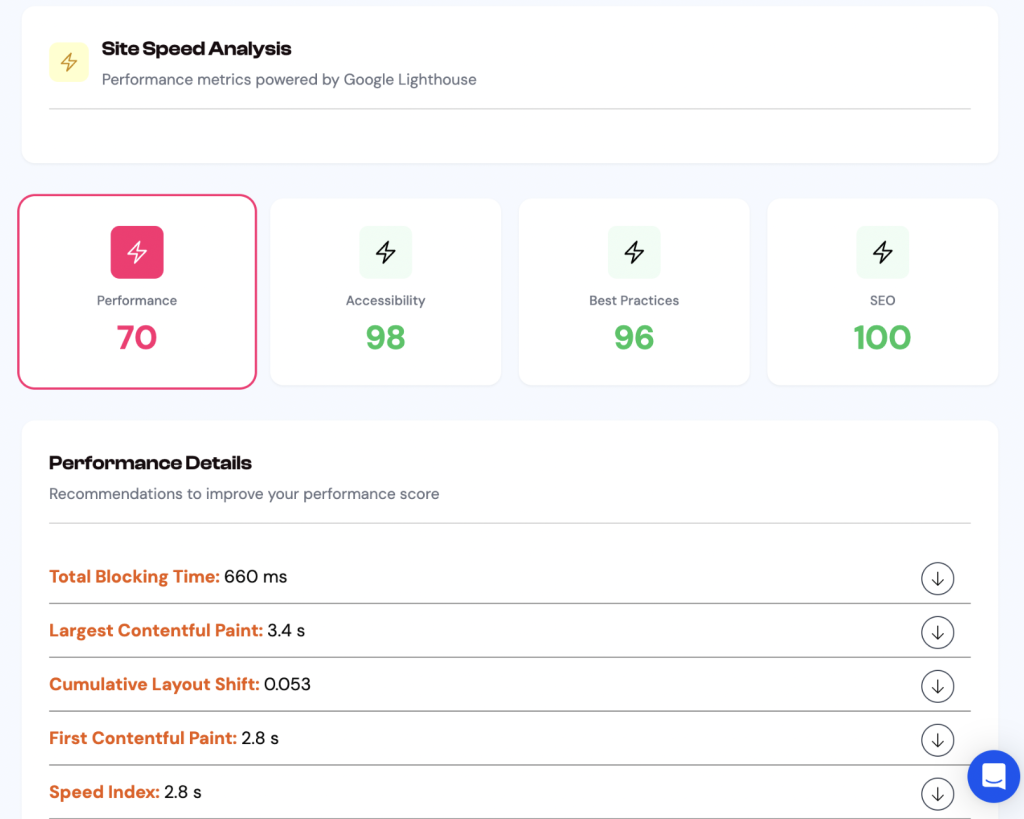
Most SaaS teams test both manual and automated posting — but almost none know which posts AI platforms actually surface, reference, or associate with their brand. EspyGo closes that gap by giving you visibility no social media tool can.
AI Visibility Signals: EspyGo shows whether your scheduled posts, manual posts, thought-leadership threads, or product updates are being surfaced in AI engines like ChatGPT, Claude, and Perplexity.
Content Performance Insights: See which posting style strengthens your brand entity inside AI models — and which ones disappear without leaving a trace.
Channel-Level Intelligence: Understand whether LinkedIn posts, blog articles, or external mentions contribute more to your AI visibility, so you double down on the channels that compound rather than the ones draining your time.
Real Impact Tracking: Instead of guessing which content “worked,” EspyGo highlights the formats and posting patterns AI systems actually trust — helping you refine your content strategy with evidence, not intuition.
💡 Want to see which posts and platforms AI uses to understand your brand?
👉 Start your free EspyGo trial and get clarity on what truly drives visibility.