


Your brand could be mentioned in 50% of ChatGPT responses for your target keywords, or 0%—and you’d never know without a systematic way to track it. This invisibility represents one of the biggest blind spots in modern digital marketing. Traditional SEO tools don’t monitor AI search visibility, leaving marketing teams blind to how their content performs across ChatGPT, Perplexity, Claude, and Bard. Whilst you’re meticulously tracking Google rankings, your competitors might be dominating the AI search landscape where increasingly more searches happen daily.
This guide provides a weekly workflow that any marketing team can implement to monitor AI search engine rankings in just 30 minutes per week. No expensive enterprise tools required. No complex dashboards to maintain. Just a proven system that tracks what matters most: your brand’s visibility in AI-generated responses.
You’ll get the exact process, templates, and tools to monitor AI visibility consistently and turn findings into content improvements that boost your citations, mentions, and authority across all major AI platforms.
What AI Search Rankings Actually Mean (And Why They’re Different)
Before diving into how to monitor AI search engine rankings step by step, you need to understand what you’re actually measuring. AI search rankings aren’t like traditional Google results where position #1 is clearly defined and static.
The 4 Types of AI Search Visibility
AI platforms present information differently, creating four distinct types of visibility you should track:
- Answer inclusion represents whether your brand, product, or content appears anywhere in the AI’s response. This is your baseline metric—if you’re not mentioned at all, you have zero AI search visibility for that query. Unlike traditional search where users might scroll to find you, AI responses are typically consumed in their entirety.
- Citation position matters significantly more than traditional rankings. When AI platforms list sources, being the first citation carries substantially more weight than the third or fourth. Users often click the first cited source and rarely explore beyond the second. Track whether you’re appearing as citation 1, 2, 3, or buried deeper.
- Brand mention frequency across multiple related queries shows your topical authority. A strong AI search presence means appearing not just for your brand name, but for industry terms, competitor comparisons, and problem-solving queries your audience asks. This breadth indicates true thought leadership.
- Coverage breadth reveals how many related topics trigger mentions of your brand. The most successful companies in AI search don’t just rank for their core product terms—they appear in responses about industry trends, best practices, and educational content.
Why Traditional SEO Metrics Don’t Apply
Traditional search engine optimisation assumes static, rankable pages. Google’s SERP shows 10 blue links in predictable positions. AI responses are fundamentally different and require new measurement approaches.
AI responses are dynamic, not static page rankings. The same query asked twice might generate different responses, mention different sources, or prioritise different aspects. ChatGPT doesn’t have position #1—it has “mentioned prominently,” “cited as source,” or “completely absent.”
Context matters more than keyword density. AI platforms understand intent and context far better than traditional search engines. They might recommend your SaaS tool in a response about “team productivity” even if those exact words never appear on your website. Traditional keyword tracking misses this contextual relevance.
Authority signals work differently in AI responses. Whilst backlinks and domain authority influence traditional rankings, AI platforms weigh factors like content freshness, original research, and comprehensive coverage differently. A smaller company with superior, recent content might outrank established players in AI responses.
The Weekly AI Monitoring Workflow
This systematic approach to AI search visibility tracking takes 30 minutes weekly and provides consistent data to guide your content strategy. Here’s exactly how to monitor AI search engine rankings step by step.
Steps 1-2: Define Query Sets and Create Test Prompts
Start by identifying 10-15 core queries your target audience regularly asks AI platforms. Don’t guess—pull from your customer support tickets, sales calls, and existing search console data. Focus on informational queries where people seek recommendations or explanations.
Map queries to business outcomes before you begin testing. Categorise each query as:
- Lead generation: “Best project management software for small teams”
- Brand awareness: “Companies like [competitor] but cheaper”
- Thought leadership: “How to improve team productivity in remote work”
Create standardised prompt variations for consistent testing. AI responses vary based on how questions are phrased. Develop 2-3 variations of each core query to account for different user phrasings:
- Direct: “What’s the best accounting software for freelancers?”
- Comparative: “Accounting software options for freelancers—which should I choose?”
- Problem-focused: “I’m a freelancer struggling with invoicing and expense tracking. What software helps?”
Document everything in a simple spreadsheet with columns for Query Category, Original Query, Variation 1, Variation 2, Business Impact, and Expected Outcome.
Steps 3-4: Run Tests and Capture Results
Test the same prompts across 4 AI platforms weekly: ChatGPT, Claude, Perplexity, and Google Bard. Consistency in testing environment matters enormously—use the same browser, clear cache between tests, and test at similar times each week.
Screenshot every response and copy the text for analysis. AI responses change, and screenshots provide historical context for pattern identification. Create folders organised by date and platform: “2025-01-15-ChatGPT,” “2025-01-15-Claude,” etc.
Pay special attention to:
- Source citations: Which websites are referenced and in what order?
- Brand mentions: Is your company mentioned by name anywhere in the response?
- Competitor presence: Which competitors appear and how are they positioned?
- Content gaps: What information is provided that your content doesn’t cover?
Use incognito/private browsing to avoid personalised results affecting your data. Some AI platforms personalise responses based on chat history or account data.
Steps 5-7: Log, Analyse, and Act on Data
Input results into a simple tracking spreadsheet with these essential columns:
- Date
- Platform (ChatGPT, Claude, etc.)
- Query tested
- Your brand mentioned (Yes/No)
- Citation position (1st, 2nd, 3rd, None)
- Competitors mentioned
- Content gaps identified
- Action required
Compare week-over-week changes in mentions and positions. Look for patterns:
- Are you gaining or losing mentions across platforms?
- Which types of queries consistently exclude your brand?
- Are competitors consistently outranking you for specific topics?
- Which platforms favour your content most?
Identify content gaps and optimisation opportunities from the data. If competitors consistently appear in responses about “team collaboration best practices” but you don’t, that’s a clear content gap requiring attention.
Turning AI Monitoring Data Into Content Improvements
Raw monitoring data only creates value when converted into actionable content improvements. Focus on changes that directly impact AI search visibility rather than traditional SEO metrics.
Quick Wins That Improve AI Visibility
- Add schema markup to boost citation chances across all AI platforms. Structured data helps AI systems understand your content’s context and authority. Implement FAQ schema for common questions, product schema for software features, and article schema for blog content. AI platforms increasingly rely on structured data to identify credible sources.
- Update content freshness signals for recency-sensitive queries. AI platforms heavily weight recent content for topics involving current events, software updates, or industry changes. Add “last updated” timestamps, refresh statistics annually, and update examples to reflect current market conditions.
- Create topic cluster content around successful mentions. When your brand appears in AI responses for specific topics, double down by creating comprehensive content clusters around those themes. If you’re mentioned for “remote team management,” create pillar content covering remote onboarding, communication tools, productivity tracking, and team culture.
- Focus on original research and data that AI platforms can uniquely cite. Conduct industry surveys, compile benchmark reports, or analyse trends that become exclusive, citable resources. AI responses favour unique data sources over rehashed industry information.
Advanced Optimisation Strategies
- Develop comprehensive FAQ sections that directly answer common queries. AI platforms often pull exact answers from well-structured FAQ content. Create detailed responses to the questions appearing in your monitoring data, especially those where competitors currently dominate.
- Implement strategic internal linking between related content pieces. AI platforms understand topical authority partly through content interconnectedness. Link your core product pages to supporting blog content, case studies, and educational resources.
- Optimise content for conversational queries. People phrase questions to AI differently than search engines. Include natural language variations of key topics throughout your content. Instead of just “project management features,” also include “what features should project management software have?”
Common Monitoring Mistakes That Waste Time
- Testing too many variations without establishing baselines creates data overload without insights. Start with 10-15 core queries and master that dataset before expanding. Teams that monitor 100+ queries weekly often miss important patterns in crucial data.
- Not accounting for AI model updates and changes leads to misinterpretation of ranking fluctuations. AI platforms regularly update their models, changing how they prioritise and cite sources. Track platform update announcements and note correlation with visibility changes.
- Focusing on vanity metrics instead of business impact wastes monitoring effort. A mention in an irrelevant query doesn’t drive business results. Prioritise queries that align with your customer acquisition funnel and business objectives.
- Many teams also make the mistake of inconsistent testing schedules. Weekly monitoring provides better trend data than sporadic monthly checks. AI search visibility can shift rapidly, and consistent monitoring helps identify optimisation opportunities quickly.
Measuring Success Beyond Mentions
Effective AI search monitoring extends beyond simple mention counting. Track business metrics that demonstrate real impact from improved AI visibility.
Key Performance Indicators
- Referral traffic from AI platforms provides direct measurement of AI search success. Monitor traffic from chat.openai.com, claude.ai, perplexity.ai, and bard.google.com in your analytics. Increased referral traffic indicates higher citation rates and better positioning.
- Brand search volume changes often correlate with AI mention frequency. When your brand appears more frequently in AI responses, direct brand searches typically increase as users research your company further.
- Content engagement metrics show whether AI-driven traffic converts effectively. Users arriving from AI platforms often have different intent than traditional search visitors. Monitor bounce rate, time on page, and conversion rates for AI referral traffic.
- Sales qualified lead attribution connects AI visibility to revenue impact. Track whether prospects mention finding you through AI platforms during sales conversations. This qualitative data validates your monitoring efforts’ business value.
Implementation Timeline and Resource Planning
Successfully implementing AI search monitoring requires structured planning and realistic resource allocation.
Week 1-2: Foundation Setup
Audit existing content for AI-friendliness. Review your top-performing blog posts, product pages, and resource content. Identify pieces that already answer common customer questions but might need optimisation for AI platforms.
Establish baseline measurements across your chosen query set. Run initial tests on all platforms to understand your current AI search visibility. Document everything thoroughly—this baseline data becomes invaluable for measuring progress.
Set up tracking systems using simple tools like Google Sheets or Airtable. Complex dashboards aren’t necessary initially. Focus on consistent data collection over sophisticated analysis tools.
Week 3-4: Pattern Recognition
Identify content gaps where competitors consistently outperform you. Look for query categories where your brand never appears despite having relevant content. These represent immediate optimisation opportunities.
Analyse successful mentions to understand what content AI platforms prefer citing. Common characteristics include recent publication dates, comprehensive coverage, clear structure, and original data or insights.
Develop content priorities based on business impact and competitive gaps. Focus initial optimisation efforts on high-value queries where small improvements could yield significant visibility gains.
Month 2-3: Optimisation and Expansion
Implement quick wins identified during your first month of monitoring. Update content freshness signals, add structured data, and create comprehensive FAQ sections for top-priority queries.
Expand monitoring scope gradually as your system matures. Add new query variations or explore adjacent topic areas where your brand could develop authority.
Refine tracking processes based on early learnings. Streamline data collection, improve analysis methods, and develop standard operating procedures for team members.
The EspyGo Edge: Monitor AI Search Visibility Without the Chaos
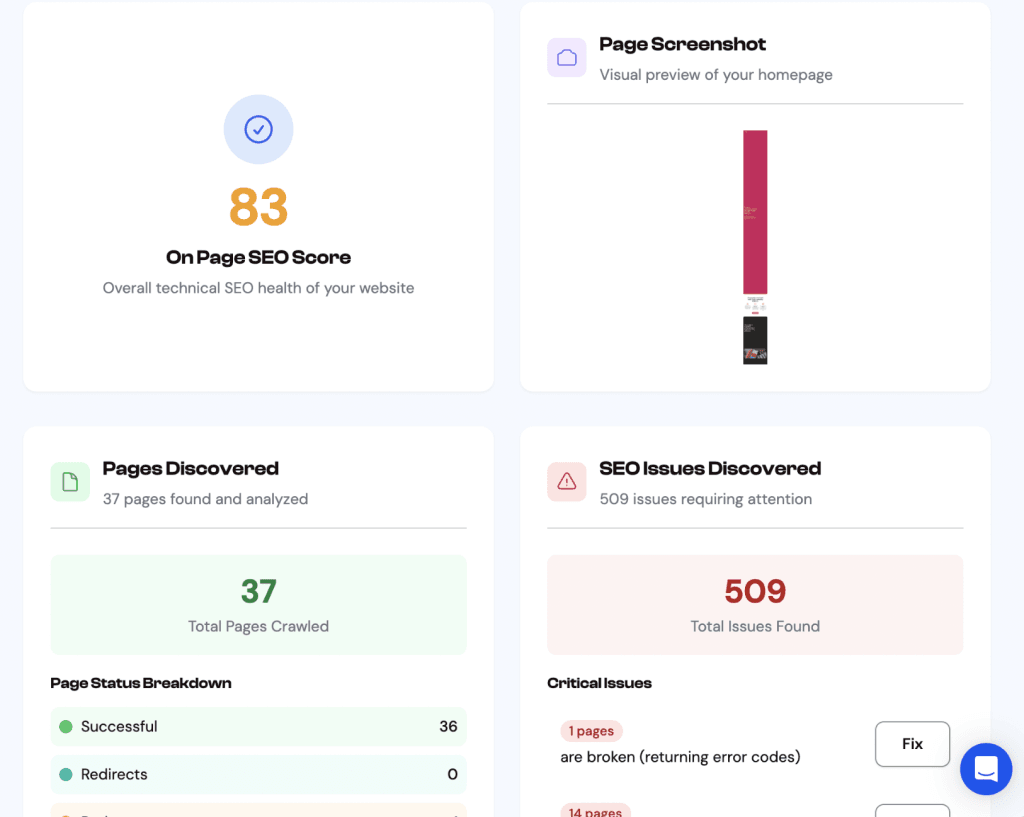
Manual tracking gets messy fast—spreadsheets fill up, screenshots pile in, and trends slip through the cracks. EspyGo simplifies AI visibility monitoring by automating the process, so you can focus on action, not admin.
Here’s how EspyGo helps you stay ahead:
Automated AI Mentions Tracking: EspyGo scans ChatGPT, Claude, Perplexity, and Bard weekly to see where your brand appears—no manual testing required.
Smart Insight Dashboard: View citations, mentions, and competitor benchmarks at a glance, without juggling spreadsheets or screenshots.
Content Gap Intelligence: Instantly identify where your competitors are being cited so you can prioritise the right topics for optimisation.
Workflow Integration: Connects seamlessly with your existing content tools and analytics stack to make tracking part of your team’s routine—not another task.
Conclusion
AI search monitoring doesn’t require expensive enterprise tools or complex dashboards—just consistent weekly testing with this 7-step workflow and proper tracking templates. The marketing teams succeeding in AI search visibility follow systematic approaches rather than relying on guesswork or sporadic testing.
Start immediately: define your first 10 test queries based on real customer questions, set up a simple tracking spreadsheet, and run your first week of AI visibility tests across ChatGPT, Claude, Perplexity, and Bard. Within a month, you’ll have baseline data and clear content optimisation priorities that directly improve your brand’s presence in AI-generated responses.
The future of search is increasingly AI-driven, and early movers who establish systematic monitoring processes will maintain significant advantages over competitors still focused exclusively on traditional SEO metrics. Your brand’s visibility in AI responses isn’t just a nice-to-have metric—it’s becoming essential for maintaining digital marketing effectiveness as search behaviour continues evolving.
Don’t wait until AI search monitoring becomes standard practice. Begin tracking your visibility today, and position your brand as a trusted authority in the AI-powered search landscape that’s already reshaping how customers discover and evaluate solutions like yours.
💡 Want to see how visible your brand really is in AI search?
👉 Start your free EspyGo trial today and take the guesswork out of AI visibility monitoring.